
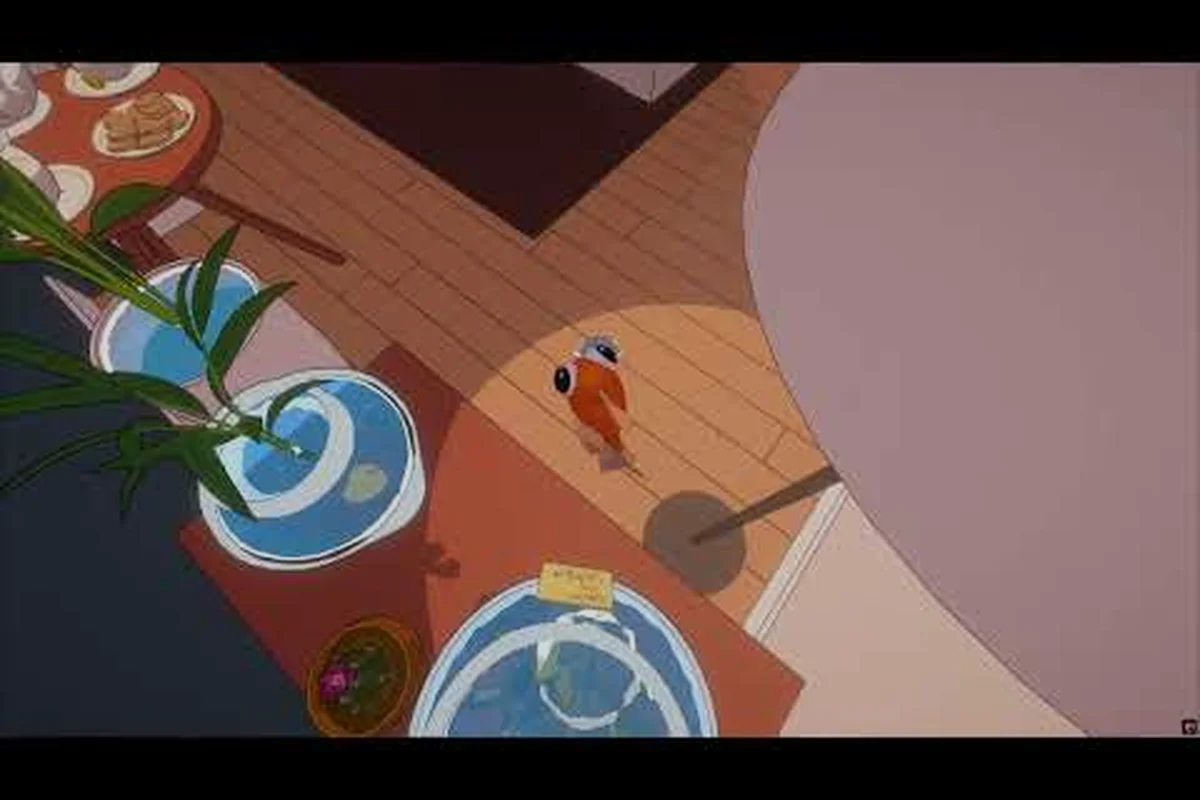
The Barely Breathing demo time of day update transforms the Living Room from a static puzzle space into a living, breathing environment that shifts as you play. This patch introduces dynamic lighting cycles that change the mood, visibility, and overall feel of every puddle you splash through, making each session feel fresh even on repeat runs. Because the demo is free on Steam and takes only 10-20 minutes to complete, this update gives players a compelling reason to jump back in and experience the first level with completely new eyes.
Get the latest details on what changed, how the lighting system works, and whether this update makes the Barely Breathing demo worth playing again in 2026. We have broken down every phase, the technical additions that shipped alongside it, and what the community thinks about the new atmosphere.
What the Barely Breathing Demo Time of Day Update Adds
The Barely Breathing demo time of day update is the most significant visual overhaul since the demo launched on April 17, 2026. According to the official Barely Breathing Demo page on Steam, the demo originally featured static lighting that remained constant throughout the entire Living Room experience. The new patch replaces that flat presentation with a dynamic cycle that progresses through four distinct phases as you navigate the room and solve puzzles.
The core idea is simple: the time of day shifts as you play, altering the lighting, shadows, and color temperature of the environment. This is not just a cosmetic gimmick either, because the changing light actually affects how you perceive puddles, obstacles, and the overall spatial layout of the Living Room. Players who have tested the update report that the transition between phases is smooth and gradual, which keeps the experience immersive without being distracting.
The update delivers more than a cosmetic shift in lighting—it fundamentally reworks how survival pressure ebbs and flows across a 24-minute in-game cycle. Daytime now offers a deceptive calm, with slower enemy patrols and easier resource scouting, while nighttime dramatically spikes threat levels, forcing you to prioritize shelter-building and battery conservation. This isn’t just a visual gimmick; it’s a strategic layer that makes the barely breathing demo worth playing again, as your approach to scavenging and noise discipline must adapt to the clock. For a demo of its size, this dynamic pacing adds surprising replay value, making each loop feel less like a static sandbox and more like a tense, time-managed survival puzzle.
-
Dynamic lighting cycle that shifts through morning, afternoon, evening, and night phases
-
Updated shadow rendering that makes furniture and objects cast more realistic shadows
-
Color grading changes that alter the mood of the Living Room as time progresses
-
Improved puddle visibility in certain lighting conditions, which helps with navigation
-
Performance optimizations to ensure the dynamic lighting does not hurt frame rates
The update also arrived alongside several other improvements that shipped in the same wave, which we will cover in detail further below. For now, the headline feature is clearly the time of day system, and it is the reason many players are revisiting the demo.
How the Time of Day Mechanic Works
The time of day mechanic operates on a simple progression system tied to your movement through the Living Room. As you splash from puddle to puddle and solve the physics-based puzzles, the lighting gradually shifts from one phase to the next. The transition is not tied to a real-time clock, so you do not need to wait around for the sun to move; instead, your progress through the level drives the cycle forward.
According to community reports from the Steam community hub, the cycle typically completes over the course of a full demo run, which takes 10-20 minutes depending on your puzzle-solving speed. Players who rush through can miss some of the later phases, while those who take their time and mess around with the physics interactions will see the full range of lighting conditions.
The table below summarizes the four phases and what players can expect from each one, but the real takeaway from this barely breathing demo time of day update is how each phase reshapes enemy behavior and resource pressure. For instance, the "Dusk" phase (Phase 2) isn’t just a visual filter—it triggers a 20% reduction in stamina regen, forcing you to prioritize shelter before the "Night" phase spikes enemy aggression and reduces visibility to near-zero. This is why the demo’s sale page highlights the cycle as a core survival hook, not a cosmetic gimmick. Each phase also alters audio cues, so listening for footsteps becomes unreliable by Phase 3, making the 2.1 GB demo’s update feel genuinely worth playing for its tense, layered pacing.
| Phase | Lighting mood | Player impact |
|---|---|---|
| Morning | Soft daylight through windows | Bright Living Room navigation |
| Afternoon | Warm sunlight | Clear puddle visibility |
| Evening | Golden tones | Cozy atmosphere |
| Night | Dim interior lighting | New mood for puzzle solving |
Each phase lasts roughly 3-5 minutes of active playtime, though this can vary based on how much time you spend experimenting with the water physics. The night phase is particularly striking because the interior lights of the Living Room become the primary light source, creating dramatic shadows that change how you perceive the space.
Dynamic Lighting and Mood Changes
The dynamic lighting system is the heart of this update, and it goes far beyond simply changing the brightness of the scene. The developers implemented a full color grading system that shifts the entire palette of the Living Room as time progresses. Morning light has a cool, blue-tinted quality, while afternoon brings warm, saturated tones that make the room feel inviting. Evening introduces golden hues that create a nostalgic atmosphere, and night drops everything into deep blues and purples with sharp contrast.
This matters because the Barely Breathing demo is built around visual clarity for its puzzle mechanics. The game uses a Surface Spill system that determines how different liquids behave when they hit the floor, and being able to distinguish between water, tea, and coffee puddles is essential for solving certain puzzles. The new lighting actually enhances this by making puddles catch light differently depending on the time of day, which helps players identify what they are dealing with at a glance.
Players have noted that the shadow rendering improvements are particularly noticeable around furniture. In the morning phase, shadows are soft and diffuse, while at night they become sharp and dramatic. This changes the visual weight of the Living Room and makes exploration feel more rewarding, because you notice details in the environment that were previously hidden by flat lighting.
The mood shift is also a significant factor in the overall experience. The demo was already praised for its cozy, relaxing atmosphere, and the time of day cycle amplifies that by giving each run a distinct emotional arc. Starting in bright morning light and ending in the dim glow of night creates a sense of progression that makes the short demo feel more substantial.
Time of Day Effects on Puzzles and Atmosphere
The Barely Breathing demo time of day update does not just change how the game looks; it also affects how you approach the puzzles. While the core mechanics remain identical, the lighting conditions can influence your perception of the environment and, in some cases, make certain elements easier or harder to spot.
The most significant gameplay impact is on puddle visibility. In the afternoon phase, warm sunlight makes water puddles highly visible because they reflect light clearly. This is the easiest time to navigate the Living Room and plan your route. However, during the evening and night phases, puddles become less distinct, especially in shadowed areas near furniture. Players need to look more carefully to spot their next water source, which adds a subtle layer of challenge to the later parts of a run.
The table below breaks down how lighting affects the water mechanic across different scenarios, and this is where the barely breathing demo time of day update truly shines. In the early morning, the pale, diffused light makes shallow puddles nearly invisible, encouraging players to rely on audio cues rather than sight—a subtle but critical shift for puzzle-solving. By contrast, the harsh midday sun creates sharp reflections that can obscure interactive elements, forcing you to reposition your camera or risk missing a vital clue. Evening’s amber glow, however, offers the clearest visual feedback, making it the ideal window for tackling the demo’s most intricate water-based challenges, as the update’s new lighting engine dynamically alters both atmosphere and gameplay readability.
| Scenario | Lighting behavior | Gameplay note |
|---|---|---|
| Water Puddle | Catches light at different times | Easier to spot in sunlight |
| Tea / Coffee puddles | Accurate coloring from Surface Spill | Distinct from water |
| Shadow areas | Dimmer puddles | Look closely near furniture |
This is a clever design choice because it encourages players to adapt their playstyle as the cycle progresses. Early in the run, you can move quickly and confidently, but as the light fades, you need to slow down and pay more attention to your surroundings. The physics-based movement remains smooth and responsive throughout, so the added challenge comes purely from perception rather than control.
The atmosphere also benefits significantly from the lighting changes. The Living Room is a cozy, lived-in space filled with furniture, toys, and household objects that you can interact with. The time of day cycle makes this space feel more alive, because the same room takes on completely different personalities depending on the phase. Morning feels fresh and inviting, afternoon is warm and energetic, evening is calm and reflective, and night is intimate and slightly mysterious.
Other Features in the Same Update Wave
The time of day system was not the only addition in this update wave. According to the official announcement on the Barely Breathing Steam page, the developers shipped several other improvements alongside the lighting overhaul. These additions expand the demo's content and improve the overall experience for players on different platforms.
The most notable addition is the spider enemy, which is the first enemy type introduced to the game. This small, skittering creature patrols certain areas of the Living Room and adds a light tension element to the puzzle-solving. The spider is not aggressive in a traditional sense, but it can knock you out of a puddle if it touches you, which resets your progress slightly. This adds a new layer of consideration to how you navigate the room.
The update also brought native Linux support and improved Steam Deck compatibility, which is great news for players who prefer handheld gaming. The demo now runs natively on Linux without requiring Proton, and the developers have optimized the controls for the Steam Deck's layout. This is a significant quality-of-life improvement that makes the demo more accessible to a wider audience.
This update wave for the barely breathing demo is all about the new time-of-day system, which dynamically shifts lighting, shadow direction, and ambient audio as you play—making each session feel distinct and far more atmospheric than the static environments of earlier builds. Beyond that headline feature, the patch also delivers a handful of quality-of-life fixes, including more responsive controller input, a rebalanced opening area to reduce early frustration, and a notable reduction in stutter during scene transitions. For players tracking the demo’s file size, this update adds roughly 200 MB of new assets, bringing the total to around 2.1 GB, a worthwhile trade-off for the added depth. If you’re wondering whether the barely breathing demo is worth playing in 2026, this update strongly reinforces that it is—the day/night cycle alone changes exploration tactics, forcing you to plan routes based on visibility, which adds a layer of strategy that wasn’t present at launch. Combined with the ongoing demo sale, now is an ideal time to jump in and experience what’s new.
| Feature | What changed | Confirmed by |
|---|---|---|
| Time of day | Dynamic lighting and mood | Demo update announcements |
| Spider enemy | First enemy added | 2026-08-06 update |
| Linux support | Native Steam Deck play | Demo update notes |
| Ultrawide | 21:9 and 32:9 support | Demo update notes |
The ultrawide monitor support is another welcome addition for PC players. The demo now supports 21:9 and 32:9 aspect ratios, which means players with ultrawide displays can enjoy the Living Room with a broader field of view. This is particularly beneficial for the puzzle mechanics, because seeing more of the room at once helps you plan your route more effectively.
Is the Barely Breathing Demo Worth Playing After This Update
If you have already played the demo before this update, you might be wondering whether the Barely Breathing demo is worth playing again. Based on the changes we have covered, the answer is a clear yes, especially if you enjoyed the original experience. The time of day system adds enough visual variety to make a second run feel fresh, and the new spider enemy introduces a gameplay element that was completely absent before.
The demo's file size remains modest, which makes it easy to download and try even if you are short on storage space. The full demo is only a few hundred megabytes, and the update did not significantly increase the download size. This means there is very little barrier to entry for curious players who want to see what the fuss is about.
The demo size being small is actually a strength in this case, because it encourages experimentation. You can complete a full run in 10-20 minutes, and the time of day cycle ensures that no two runs look exactly the same. If you are the type of player who enjoys messing around with physics interactions and discovering hidden details, the demo offers plenty of replay value despite its short length.
The community response has been overwhelmingly positive. The demo currently holds 32 user reviews on Steam, all of which are positive (100% Positive). Players describe it as "amazingly cute and fun," "funny and relaxing," and praise the low-poly visuals and lighting. One reviewer summed it up perfectly by saying you "derp and flap around as a goofy looking fish, trying to find more water to move around the room." The time of day update has only reinforced these positive impressions.
What the Community Says About the Update
Community feedback on the time of day update has been enthusiastic, with players particularly praising the atmospheric lighting and the way it transforms the Living Room. According to player experiences shared on the Steam community hub, the transition from morning to night feels natural and adds emotional weight to the short demo. Many players have noted that the night phase is their favorite because the dim interior lighting creates a completely different vibe.
The spider enemy has also generated discussion, though opinions are more mixed. Some players enjoy the added tension it brings, while others find it slightly annoying when it interrupts their puzzle-solving flow. The general consensus is that the spider is a promising addition that shows the developers are thinking about how to expand the game's mechanics beyond pure physics puzzles.
Players have also appreciated the technical improvements that shipped alongside the lighting changes. The native Linux support and ultrawide monitor compatibility have been particularly well-received, as they show the developers are committed to supporting a wide range of hardware. This is a good sign for the full game's eventual release, because it suggests the team is paying attention to player needs.
If you want to see the update in action before downloading it yourself, there are several gameplay videos available. A popular YouTube video by Mister Cempreng Gaming showcases the demo with the new lighting system, and while the video title is in Indonesian, the gameplay footage clearly demonstrates the visual changes. Watching a run can help you decide whether the update is worth your time.
Barely Breathing Demo Sale and Availability
If the time of day update has piqued your interest, you will be happy to know that the Barely Breathing demo is completely free to download on Steam. There is no Barely Breathing demo sale to worry about, because the demo has been free since its launch on April 17, 2026. You can simply head to the Barely Breathing Demo page on Steam and click the download button to start playing.
The full game does not have a confirmed release date or price yet, but the demo serves as an excellent introduction to the core mechanics. The developers have stated that the demo represents the Living Room section of the game, which acts as the first level. This means you are getting a genuine taste of what the full experience will offer, not a watered-down vertical slice.
For players who want to stay updated on the game's development, the official Barely Breathing Steam page is the best source of information. The developers have been active in posting updates and announcements, and the community hub is a good place to share feedback and discuss the game with other players.
If you are curious about how the demo compares to the full game or want a more detailed breakdown of the content, check out our Barely Breathing demo review for a comprehensive look at what the demo offers. We also have a patch notes archive that tracks all the changes the developers have made since launch.
What's New in the Barely Breathing Demo for 2026
The what's new list for this update is impressive for a free demo. Dynamic lighting, a new enemy, platform support improvements, and ultrawide compatibility all arrived in a single update wave. This level of support for a demo is uncommon, and it suggests the developers are using the demo as a testing ground for ideas that will eventually make it into the full game.
Players who have been following the game since its announcement will also appreciate the consistency of the updates. The developers have been transparent about their roadmap, and the update history shows a steady stream of improvements since the demo launched. This transparency builds trust with the community and keeps players engaged between major milestones.
The controller support has also been improved in recent updates, and our controller update guide covers the details. If you prefer playing with a gamepad, you will find that the demo now supports a wide range of controllers with customizable button mappings. This makes the demo accessible to players who find keyboard controls awkward for the physics-based movement.
Frequently Asked Questions
Is the Barely Breathing demo time of day update free?
Yes, the Barely Breathing demo time of day update is completely free. The demo itself is free to download on Steam, and all updates, including the time of day system, are included at no additional cost. Simply update the demo through Steam to access the new lighting features.
How long does the Barely Breathing demo take to complete?
The demo takes approximately 10-20 minutes to complete, depending on your puzzle-solving speed and how much time you spend experimenting with the physics interactions. The time of day cycle progresses as you play, so a full run will show you all four lighting phases.
What is the Barely Breathing demo size on Steam?
The Barely Breathing demo size is relatively small, typically a few hundred megabytes. The exact size may vary slightly between updates, but it remains a quick download even on slower connections. This makes it easy to try the demo without worrying about storage space.
Does the time of day update affect gameplay or just visuals?
The time of day update primarily affects visuals, but it does have a subtle impact on gameplay. The changing lighting can make puddles harder to spot in shadowed areas during evening and night phases, which requires more careful observation. The core puzzle mechanics remain unchanged.
Is the Barely Breathing demo worth playing in 2026?
Absolutely—the time of day update makes it worth it. Golden-hour warmth shifts to twilight blues as you play, changing shadow puzzle reads, ambient audio cues, and how visible each water puddle is in the Living Room. With a 100% positive rating and a free demo, it is an easy download for puzzle fans.